Sophisticated wine destinations have become a key differentiator for hospitality operators seeking to elevate guest experiences and drive extended stays. The Traverse Wine Coast—encompassing the Leelanau and Old Mission Peninsulas in northwest Michigan—represents a proven opportunity for on-premise leaders to develop compelling wine programs and package experiences that keep guests engaged and returning.
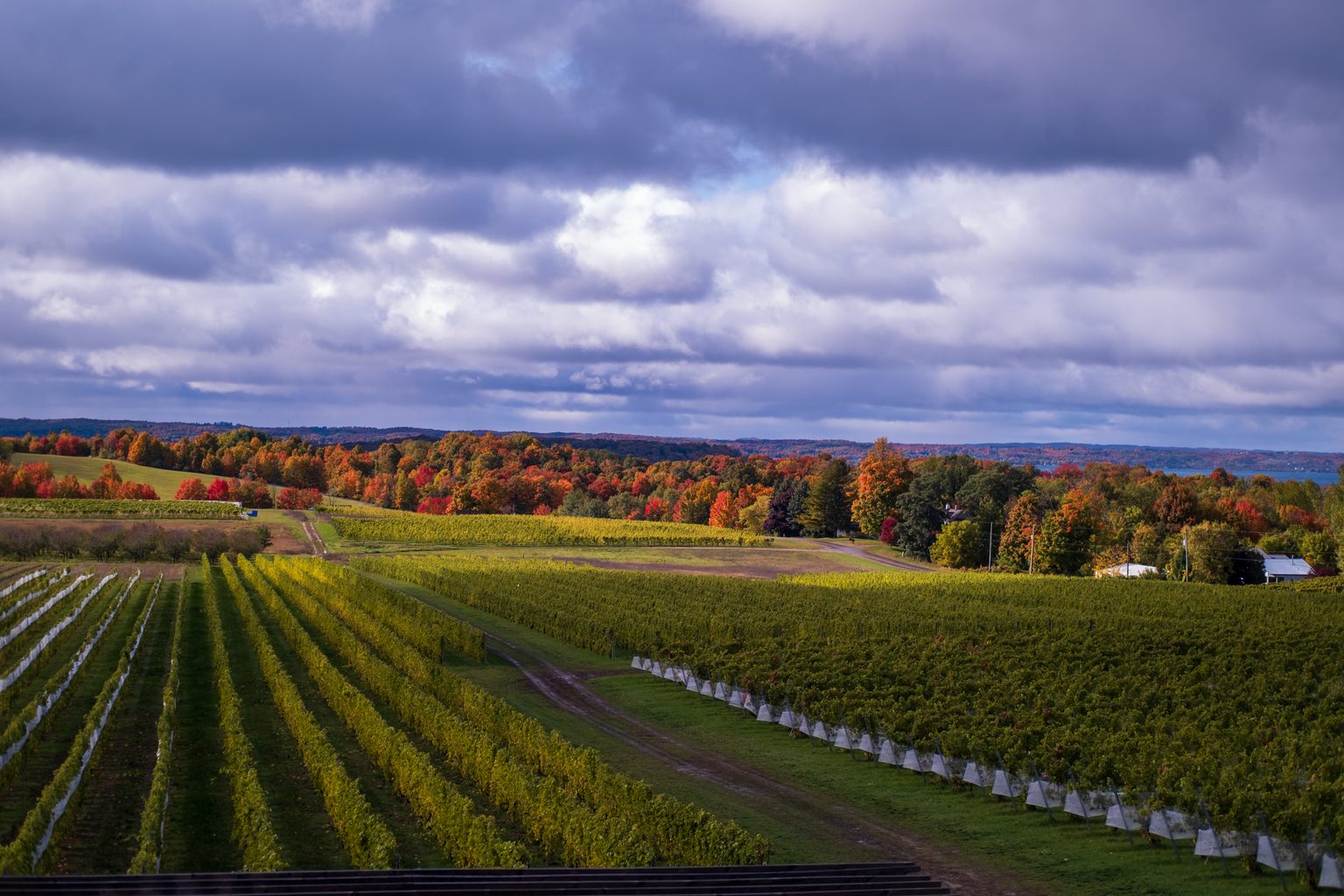
The region's competitive advantage lies in its geographic positioning at the 45th parallel, the same latitude that runs through Bordeaux and Piedmont. Lake Michigan and Grand Traverse Bay moderate temperature, soften frost risk, and stretch the growing season just long enough for grapes to develop slow, even maturation that produces wines of real structure—bright acidity, concentrated aromatics, and balance that doesn't feel manufactured. This translates into distinctive, differentiated wine offerings for your beverage program.
Two Distinct Wine Regions for Program Development
Old Mission Peninsula spans nineteen miles, flanked by water on both sides. Well-drained sandy soils produce Cabernet Franc of surprising elegance, Gewurztraminer that leans floral without excess, and sparkling wines with tension that demands return visits from guests. The dramatic geography and distinctive terroir make it ideal for wine education experiences and private tastings.
Leelanau Peninsula offers rolling hills and glacial soils that produce Riesling of remarkable quality, alongside Chardonnay and Pinot Noir earning comparison to cooler-climate Burgundy. Winery farm stays here provide unique partnership opportunities for package programming and extended-stay packages that build guest loyalty.
Designing Guest Experiences That Drive Revenue
Hospitality operators who extend guest stays with curated wine experiences see measurable operational benefits. On the Traverse Wine Coast, the landscape itself supports multi-day programming: vineyard tours transition into tasting room afternoons, farm-to-table dinners extend service hours, and morning hiking through dunes or cycling between estates keeps guests engaged on-property and off-property in balanced rotation. The region hosts over twenty direct flights to major cities, with Chicago within a five-hour drive, making it accessible for your target clientele.
The region's culinary infrastructure supports premium on-premise programming. The second annual Traverse City Food & Wine Event draws James Beard-recognized chefs and the wines of both peninsulas across farm settings—a proven model for designing your own events and wine-focused packages that demonstrate operational excellence and cultural sophistication to discerning guests.
Most wineries ship directly, and those that don't maintain partnership networks. This means your guests can carry home the bottles that created memorable moments—a retention strategy that extends the emotional value of their stay long after checkout.
The Traverse Wine Coast remains in the early growth phase of market awareness, unlike mature destinations like Napa or Sonoma. For operators building distinctive wine programs now, this timing creates an advantage: the opportunity to establish authority and partnership relationships in a region still being written into wine culture, before broader hospitality adoption narrows partnership opportunities and inflates cost structures.
Traverse Wine Coast spans the Leelanau and Old Mission Peninsulas in northwest Michigan. For planning information and partnership inquiries, visit traversecity.com/traverse-wine-coast.