Today's guests don't simply want a meal—they want discovery, interaction, and experiences rooted in authenticity. For hospitality operators, this shift means chef's counters, open kitchens, and immersive programming. But it also means recognizing how festivals and large-scale events can become powerful revenue generators and brand-building tools for on-premise businesses.
Panda Fest offers a compelling case study in how hospitality operators can leverage experiential programming to reach thousands of potential customers, create meaningful cultural connections, and build lasting loyalty—all while supporting a community of food entrepreneurs.
The Operational Model: Multi-City Execution and Guest Experience
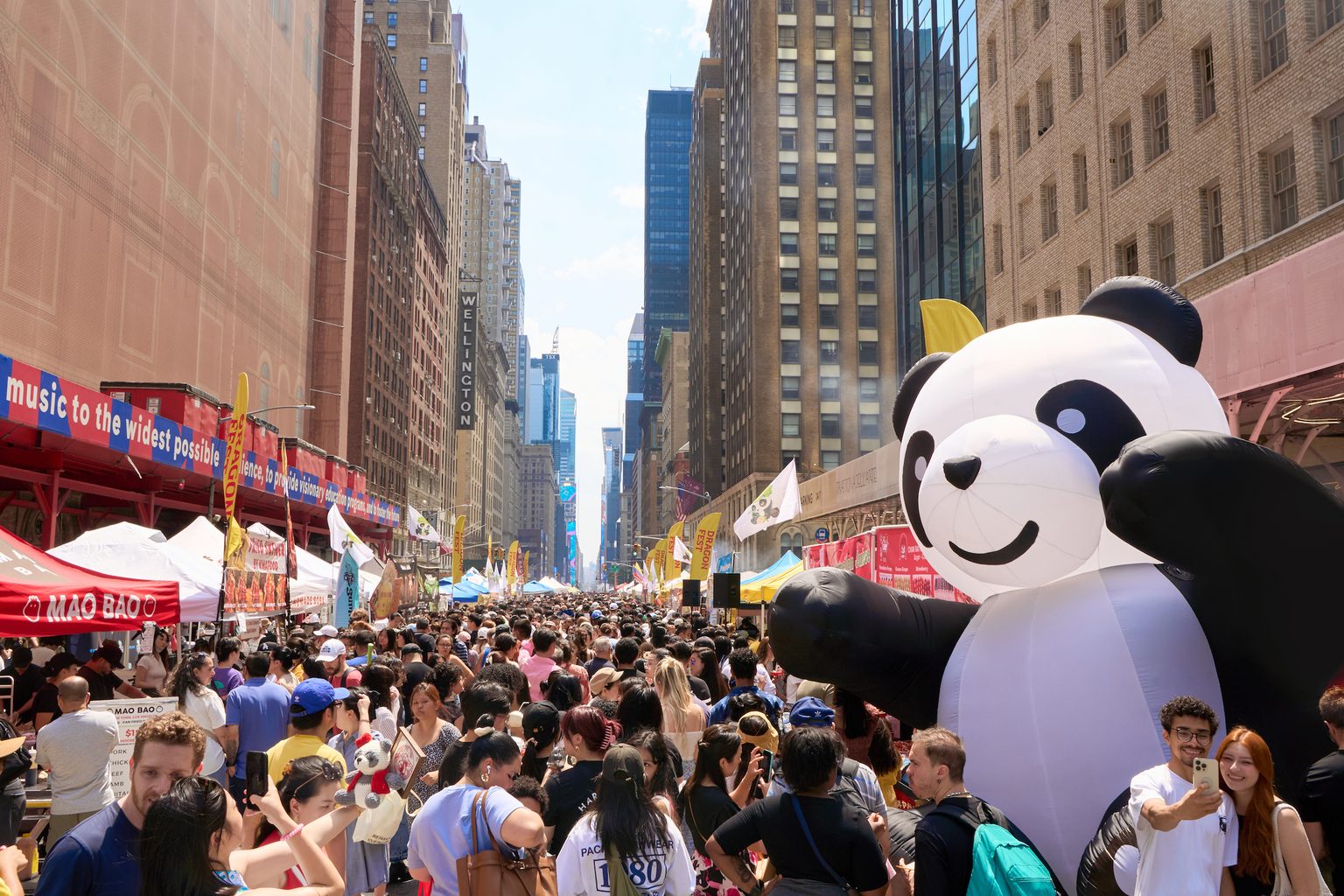
Launched in 2024, Panda Fest has expanded from a single event in New York City into one of the nation's fastest-growing Asian food and cultural festivals, welcoming more than half a million attendees during its first year alone. The organization's success stems not from scale alone, but from understanding what today's guests seek when they spend an entire day around food and culture.
Founder BiuBiu recognized a gap in the event landscape: while food festivals were plentiful, few represented Asian cultures through a contemporary lens or created meaningful opportunities for the small businesses behind the cuisine. What began as Panda Day—a one-day celebration of Chinese food and entrepreneurship—evolved into Panda Fest, a multi-city platform showcasing food, music, art, performances, retail, and community in a way that felt approachable for longtime enthusiasts and first-time visitors alike.
Executing that vision across multiple cities requires operational planning comparable to many large-scale hospitality organizations. Every market presents unique logistical considerations, from venue selection and permitting to local partnerships, vendor recruitment, crowd management, and programming. Rather than duplicating the same event from city to city, Panda Fest adapts each experience to reflect the surrounding community while maintaining consistent standards for quality and guest experience. Feedback collected after every festival directly informs future layouts, vendor mixes, and operational improvements—a model on-premise operators can apply to their own programming decisions.
Vendor Support and the Guest Connection to Authenticity
For hospitality businesses, festivals have become valuable opportunities not only for revenue but also for brand discovery. Independent operators often introduce their businesses to thousands of potential customers over the course of a single weekend. Many participating businesses are family-owned, immigrant-owned, or first-generation entrepreneurs operating on a relatively small scale. For some, the festival represents their first opportunity to serve audiences at such high volume.
According to BiuBiu, supporting those businesses often extends well beyond booth placement, including operational guidance, production planning, and even helping vendors communicate unfamiliar dishes to broader audiences. The objective is not simply filling vendor spaces; it is creating an environment where small businesses can succeed long after the festival concludes.
This philosophy reflects an increasingly important conversation within hospitality operations. Diversity has become more than representation on a menu. Guests are interested in understanding the people behind the food, the traditions that shaped it, and the stories connected to each dish. Operators who can create those connections are often the ones building lasting customer loyalty.
Panda Fest approaches programming with that perspective in mind. Rather than relying solely on viral food trends, vendor selection emphasizes authenticity and cultural storytelling. Familiar favorites such as soup dumplings, soufflé pancakes, tanghulu, and shaved ice may generate excitement on social media, but the broader goal is introducing visitors to the depth and diversity of Asian cuisines while allowing vendors to present recipes that reflect their own backgrounds and experiences.
Digital Strategy and Community Marketing
The company's digital strategy has played an important role in its rapid expansion and offers lessons for on-premise operators building their own audiences. Rather than relying on broad national marketing campaigns, Panda Fest develops localized content for each destination, collaborates with creators who have established relationships within their communities, and highlights participating vendors before tickets ever go on sale. The approach builds anticipation while allowing attendees to connect with the businesses they will encounter during the event itself—a strategy that drives both attendance and meaningful guest engagement.
Measuring Success: Economic Impact and Long-Term Programming
Beyond operations and marketing, Panda Fest demonstrates how hospitality can generate meaningful economic impact. Numerous participating vendors have returned after previous festivals to share how the exposure helped expand their businesses, reach new customers, and establish lasting momentum. Those outcomes remain among the organization's greatest measures of success.
The organization has announced additional markets across the United States while exploring new ways to build year-round engagement through merchandise, creative collaborations, and expanded opportunities for AAPI-owned businesses, artists, and culinary entrepreneurs. The goal is to create a platform that exists beyond a festival weekend while continuing to celebrate culture through hospitality.
For on-premise hospitality operators, Panda Fest offers practical insight: memorable experiences are rarely built around food alone. Guests remember environments that feel welcoming, stories that feel genuine, and moments that encourage exploration. The meals may bring people through the gate, but authenticity, thoughtful programming, and meaningful human connection are what inspire them to return and to recommend your business to others.
As experiential hospitality continues evolving, festivals like Panda Fest illustrate where the industry is headed. Operators increasingly have the opportunity to celebrate culture and build community alongside serving great food. When those elements come together with intention—thoughtful programming, genuine stories, and authentic connections—the experience resonates far beyond a single meal or weekend.