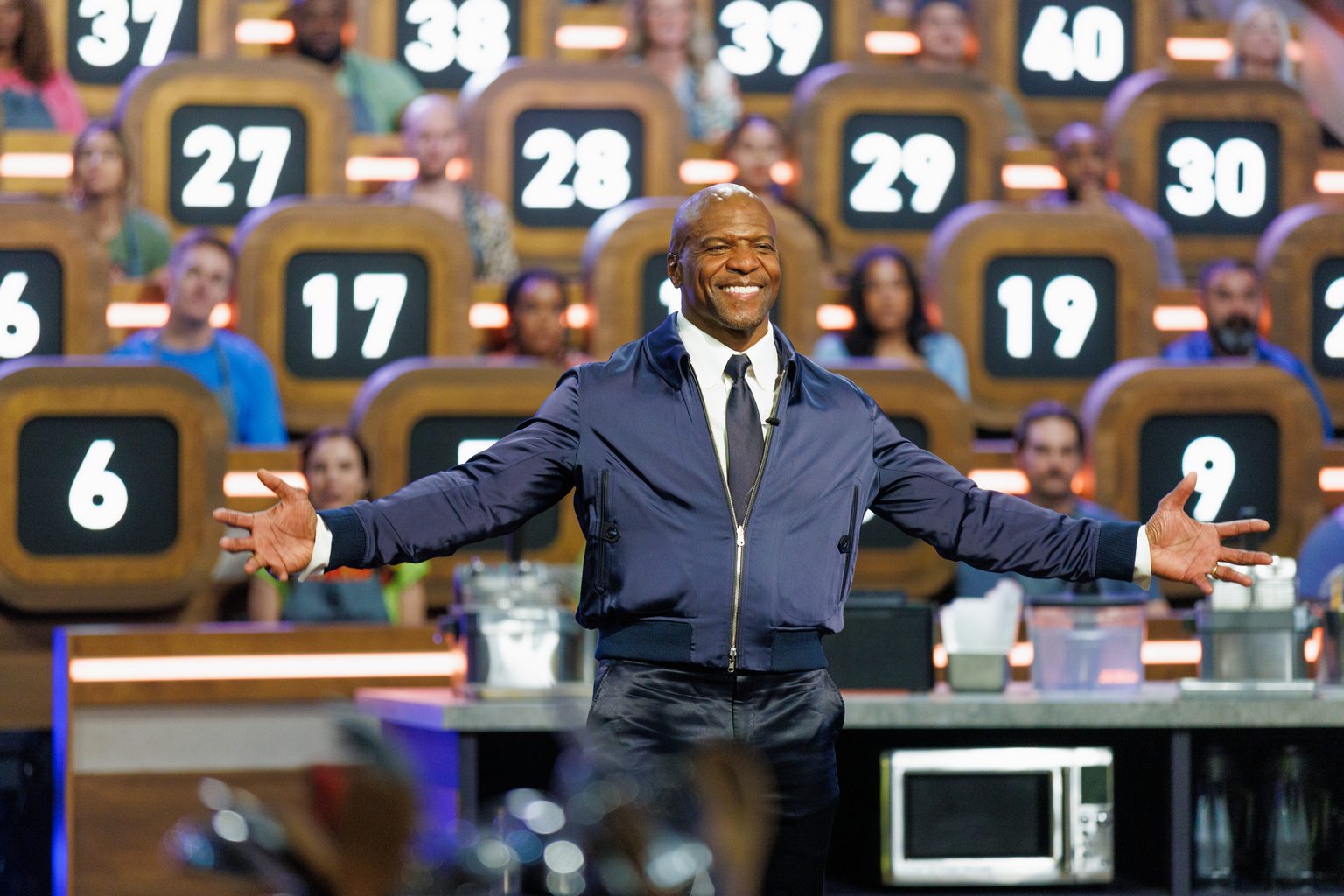
Food Network's 100 Cooks, which premiered on June 7, offers hospitality operators more than entertainment—it provides a masterclass in what drives exceptional guest experiences. By spotlighting 100 home cooks competing in a massive arena kitchen, the show exposes a fundamental truth that on-premise leaders can operationalize: the gap between technical skill and genuine hospitality.
Host Terry Crews captures this distinction perfectly. "Being a home cook is different from being a chef," Crews explained. "Chefs often tell you what's good, whereas home cooks find out what you love. They are all about pleasing their guests and have a heart focused on feeding and nourishing people." For hospitality operators, this observation cuts to the core of what separates transactional dining from memorable experiences. Home cooks prioritize guest satisfaction above all—a mindset that translates directly to on-premise success.
Guest-Centric Thinking as Operational Strategy
The contestants on 100 Cooks represent the full spectrum of American life—teachers, firefighters, lawyers, college students, parents—yet they're unified by a shared commitment to pleasing their guests. That diversity and shared purpose mirrors the best hospitality teams, where roles differ but the mission remains constant: create experiences guests want to return for and recommend.
According to Crews, home cooks bring something uniquely powerful to any kitchen. "A great home cook takes whatever is in the refrigerator and makes a masterpiece. They are able to work with whatever they're given and use their creativity to craft delicious meals." In operational terms, this describes adaptability under constraints—a critical competency in on-premise settings where staff manage shifting inventory, weather impacts, staffing challenges, and unexpected customer demands. The show's challenges, which tasked contestants with reimagining humble ingredients like rotisserie chicken into innovative dishes, demonstrate how resourcefulness and creativity matter more than access to premium ingredients.
Crews himself emphasized this mindset: "Food is a universal language. It's one of the main ways we show people we love and care about them. Just like music, it has the power to take you back to a moment in time." For operators managing bars, restaurants, banquet spaces, and hotel dining programs, this principle underpins every plating, every interaction, every menu decision.
The Emotional Investment That Drives Performance
What emerged during filming was a genuinely warm atmosphere—one that Crews found himself emotionally invested in. "I tend to get very invested. Every time someone had to go home, my heart broke. These are some of the sweetest, most beautiful people. And this is their dream," said Crews. This isn't sentiment for its own sake; it reflects a critical lesson for hospitality leadership. When team members understand that their work connects to something larger than daily service metrics, performance and retention improve.
The show's judges—Iron Chef Alex Guarnaschelli and culinary YouTube creator Nick DiGiovanni—model how diverse perspectives strengthen evaluation and feedback. Nick comes from a technical background, whereas Alex comes from a much more emotional place. Together, they made a great team. Their differing approaches often led to a more comprehensive evaluation. For on-premise leaders, this mirrors the value of cross-functional teams: bringing technical kitchen expertise, operational efficiency, front-of-house instincts, and guest insight to every major decision.
Translating Content Into Guest Programming
For hospitality operators considering programming strategy, 100 Cooks demonstrates public appetite for authentic food culture and behind-the-scenes narratives. The show celebrates everyday people and their culinary stories rather than distant celebrity chefs. This resonates with guests increasingly interested in provenance, authenticity, and the human element behind what they consume.
Crews believes the show delivers educational value that extends beyond entertainment. "This is quality television that families can enjoy together. The audience will learn things that change the way people cook. Just because something has been passed down for generations doesn't make it right. The best entertainment is when you gain some educational insight without even trying." Hotels and restaurants can apply this principle to on-premise programming: wine dinners, cooking demonstrations, chef meet-and-greets, and menu collaborations that educate while entertaining build loyalty and differentiate your property.
The show's fundamental appeal—celebrating culinary influence not from restaurants and professional kitchens alone, but from family recipes, neighborhood potlucks, and passionate home cooks experimenting after work—mirrors the nostalgia and authenticity guests now seek in dining experiences. For operators, this suggests opportunity: highlighting local sourcing, staff expertise, multi-generational recipes, and the personal stories behind your menu.
Whether your property operates fine dining, casual concepts, or event spaces, 100 Cooks reinforces a critical competitive advantage: the hospitality operators who master guest-centric thinking, empower teams to adapt creatively, and tell authentic stories about food will continue driving loyalty in an increasingly crowded market.