Beverage directors at forward-thinking restaurants face an ongoing challenge: building programs that offer guests sophisticated alternatives to wine while reflecting a commitment to quality, terroir, and storytelling. Snow Capped Cider—a Colorado-based, family-owned cidery—demonstrates how estate-grown cider can fill that gap, providing operators with a genuinely premium category that pairs naturally with contemporary American cuisine and aligns with guest expectations around regional sourcing and producer credentials.
A Portfolio Built for On-Premise Service
Snow Capped's strength for hospitality operators lies not in a single product, but in a range that accommodates diverse guest preferences and menu pairings. The cidery produces traditional bittersweet ciders using European varieties such as Dabinett and Yarlington Mill alongside heirloom American expressions, carefully blended releases, and limited-production specialty bottlings. This breadth—spanning dry, tannic single-varietal ciders to fruit ciders and perries—allows beverage directors to position cider as a natural complement to seafood, pork, cheeses, roasted vegetables, and contemporary American cuisine, rather than as a seasonal or limited-scope offering.
That versatility has become increasingly important as consumers demonstrate growing interest in understanding where beverages originate, how ingredients are grown, and the people responsible for producing them. For operators focused on regional sourcing and producer-driven storytelling, estate-grown cider provides many of the same attributes that have long made estate wines attractive additions to thoughtful beverage lists.
Vertical Integration Ensures Consistent Quality for Service
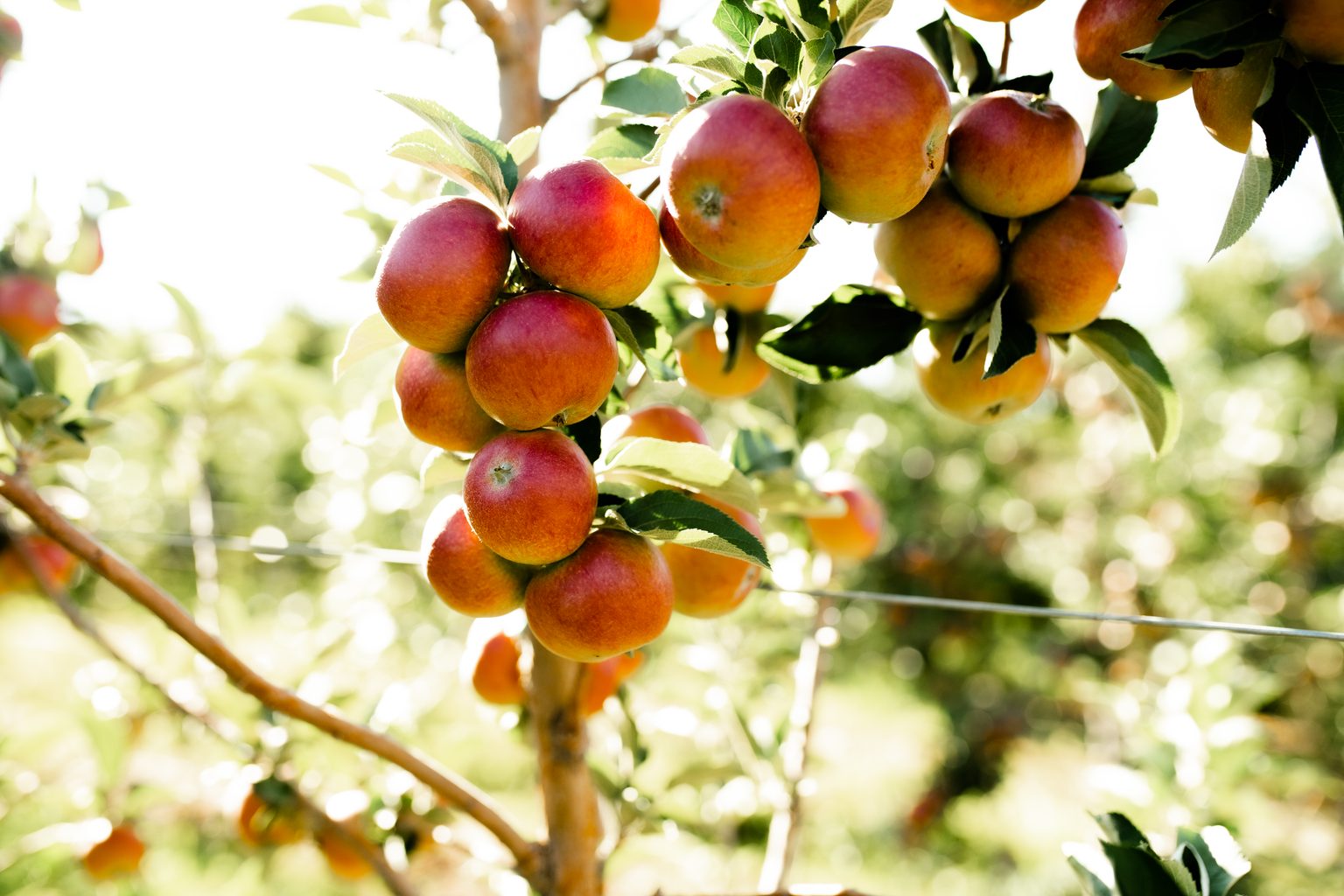
What distinguishes Snow Capped operationally is its complete control over fruit from orchard through bottling—a level of vertical integration uncommon in American cider but familiar to wine-focused establishments. Operating from the Surface Creek Valley on Colorado's Western Slope, the family-owned cidery maintains more than 100 apple varieties across orchards it owns and manages itself, rather than sourcing fruit from multiple growers.
That control translates directly into consistency operators can depend on. Fruit is harvested based on maturity rather than shipping schedules, and individual varieties are fermented to showcase distinct characteristics before being blended or bottled as single-varietal releases. Fourth-generation orchardist Ty Williams works alongside head cidermaker Kari Williams to oversee production, ensuring the quality discipline that on-premise leaders require when recommending products to guests.
Five Generations of Agricultural Heritage
The Williams family's history in western Colorado extends back more than 100 years, with five generations cultivating fruit in the region. That generational depth provides the kind of storytelling leverage that resonates with guests seeking authenticity and regional connection—compelling narratives that enhance the dining experience and justify premium positioning on beverage lists.
Proven Track Record and Industry Validation
Snow Capped's credentials are substantial. The company was named GLINTCAP Mid-Size Cider Maker of the Year for the third consecutive year while also establishing a new competition record with 14 Best in Show awards at the Great Lakes International Cider and Perry Competition, widely regarded as one of the industry's most respected evaluations. At the Cidercraft Awards, Snow Capped received 23 medals spanning a wide range of cider styles, including Platinum, Double Gold, Gold, Silver, and Judges' Pick honors. Several ciders have also been recognized by the Good Food Foundation, further reinforcing its reputation among producers focused on agricultural quality and responsible production.
For operators building premium beverage programs, such recognition validates the quality operators are offering guests while providing talking points for staff training and menu presentation.
Terroir as a Selling Point
Snow Capped's location in the Surface Creek Valley at elevations exceeding 6,000 feet beneath Colorado's Grand Mesa creates distinct growing conditions that operators can leverage in guest conversations. Warm days, cool nights, mineral-rich soils, and abundant snowmelt irrigation encourage apples to develop bright natural acidity while maintaining sugar levels necessary for balanced fermentation. The climate also allows traditional cider varieties more commonly associated with European growing regions to perform exceptionally well—adding another dimension to the regional storytelling that enhances guest experience.
As American cider establishes itself as a category defined by craftsmanship alongside accessibility, producers like Snow Capped offer on-premise leaders a solution that elevates beverage programs, connects guests to regional agriculture, and provides the consistency and quality necessary for confident recommendations.