For on-premise leaders managing luxury hospitality properties, Il Borro Relais et Châteaux offers a masterclass in how deeply integrated operations—spanning dining, agriculture, wine production, and guest programming—can create cohesive experiences that drive guest satisfaction and operational efficiency simultaneously.
Under the leadership of Salvatore Ferragamo Jr., the historic Tuscan estate has become an operational model worth studying: a 1,200-hectare property where every element—from the vineyard to the kitchen to the guest experience—operates as part of a single, intentional ecosystem. The result is not just a luxury destination, but a template for how properties can optimize resources, reduce costs, and create memorable experiences without fragmenting operations across disconnected departments.
Creating Immersive Experiences That Drive Guest Engagement
The guest experience at Il Borro is fundamentally rooted in operational integration. Rather than offering separate wine tastings, farm tours, and dining experiences, the property has designed programs that allow guests to move seamlessly between vineyard, garden, kitchen, and table—each touchpoint reinforcing the next.
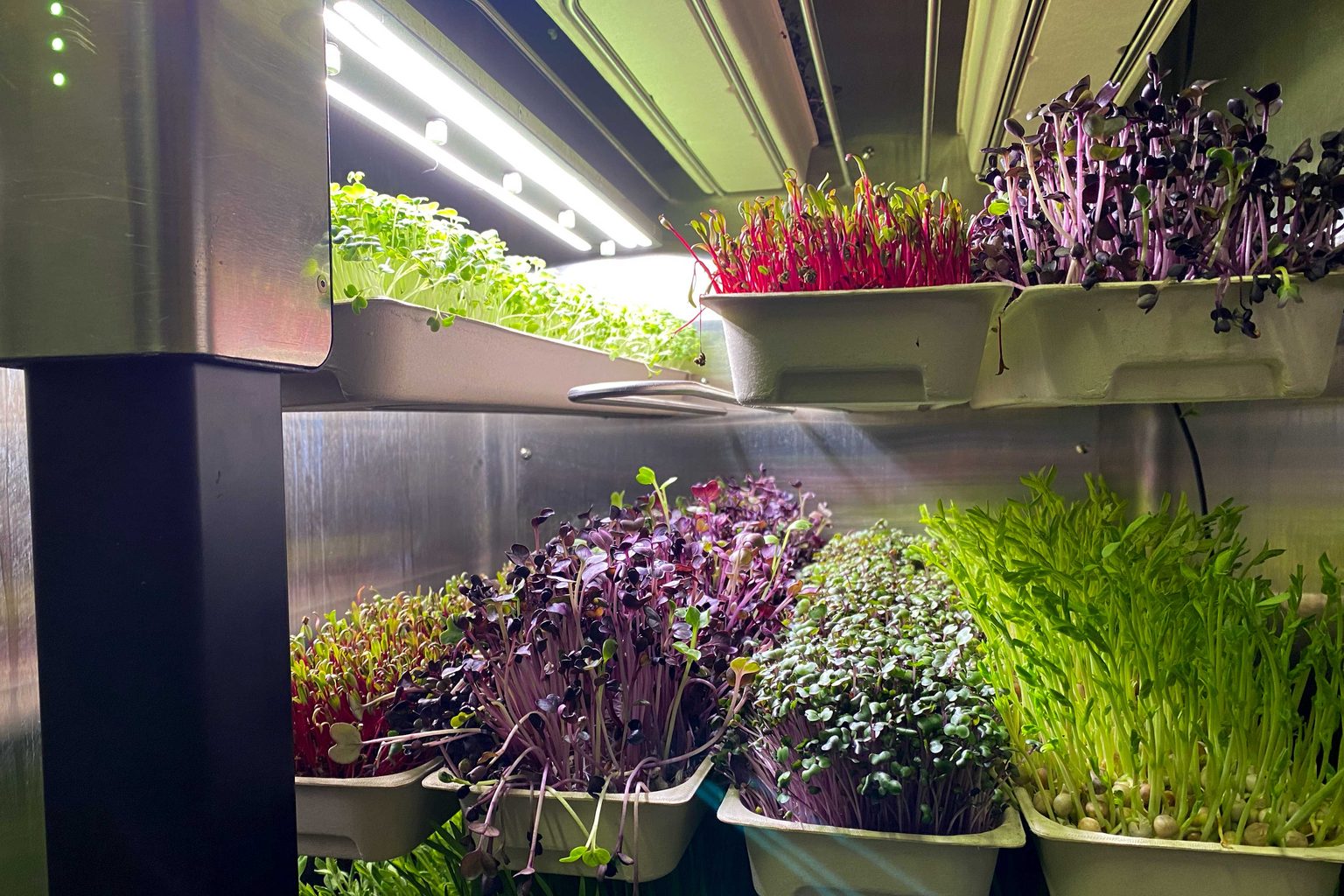
This season, the Osteria del Borro is launching an intimate Chef's Garden experience, limited to just two tables per evening and set directly within the vegetable garden that inspires the restaurant's cuisine. Surrounded by the aromas, colors, and ingredients that will appear on their plates, guests move from the source directly to the dining experience. The exclusive tasting menu and dedicated table setting offer a privileged view of the chef's work while making the property's operational philosophy tangible: respect for seasonality, commitment to the local area, sustainable sourcing, and a constant pursuit of excellence.
This kind of programming creates operational advantages beyond guest satisfaction. When guests understand the source of their meal—literally seeing the garden their ingredients came from—the property's commitment to quality becomes self-evident, reducing the need for marketing claims and building trust through direct experience.
Farm-to-Table Operations That Reduce Complexity
The culinary program at Il Borro demonstrates how on-premise leaders can simplify menu development and supply chain management through direct agricultural control. Led by Andrea Campani, the estate's approach inverts traditional restaurant planning: rather than designing menus first and sourcing ingredients second, the kitchen responds to what the property's vineyards, vegetable gardens, olive groves, and local agricultural network provide at each moment.
"We don't start from what we want to put on the menu," Campani explains, "but from what nature offers us at that specific moment."
For properties considering vertical integration or increased local sourcing, this approach offers practical benefits. Seasonal menus reduce food waste, simplify inventory management, and allow chefs to work with the freshest possible ingredients. The culinary team can create offerings that evolve naturally with the seasons while maintaining consistent quality and reducing the complexity of year-round supply agreements.
At Osteria del Borro, Chef de Cuisine Andrea Godi is refreshing the restaurant's culinary offerings this season with two new tasting menus: "Omaggio al Borro" and "Armonie Vegetali." Designed to complement the à la carte menu, the new offerings continue the estate's commitment to dishes that balance textures, contrasts, and seasonality while allowing the ingredients themselves to lead the experience. The starting point remains produce from the Il Borro Relais & Châteaux estate, supported by a thoughtful selection of small local producers and suppliers whose work reflects the same respect for quality, territory, and sustainability.
Sustainability as Operational Measurement, Not Marketing
Il Borro's approach to sustainability demonstrates how on-premise leaders can implement meaningful environmental programs without overcommitting to unverifiable claims. Under Salvatore Ferragamo Jr.'s direction, the property treats sustainability as an operational metric, not a marketing initiative.
"Sustainability, to be credible, must be measurable," he says. "We will not say it until the numbers support it. That is the difference between those who tell the story and those who build it."
The property spans approximately 1,200 hectares, including more than 500 hectares of protected woodland that naturally absorbs carbon and supports biodiversity. At the operational level, Il Borro has steadily expanded its renewable energy infrastructure over the last decade, growing from eight photovoltaic systems in 2013 to eighteen today. In 2024 alone, Il Borro produced 2.4 GWh of renewable energy while avoiding hundreds of tonnes of CO₂ emissions. The company has also begun comprehensive Scope 3 emissions assessments to better understand the full environmental impact of its operations and supply chain.
For on-premise operators, this approach offers a replicable model: establish measurable sustainability goals, track them rigorously, and communicate only what the data supports. This builds credibility with guests while avoiding the operational pitfalls of overpromising and underdelivering.
Authenticity as a Competitive Asset in Guest Programs
In a competitive luxury hospitality landscape, Il Borro's philosophy centers on preserving authenticity rather than chasing trends. That consistency—across dining, wine, and guest programming—creates a distinctive identity that resonates with discerning travelers.
"In a world where almost anything can be accessed instantly, true luxury lies in simple and genuine things," Salvatore Ferragamo Jr. says. "For us, it's about preserving the integrity and authenticity of what Il Borro stands for. The priority is not to adapt to trends, but to remain consistent with our identity."
For on-premise leaders, this strategy has practical implications. Rather than constantly refreshing programming to chase every new guest trend, properties can build loyalty by developing a coherent philosophy and executing it consistently. Guests increasingly seek experiences that feel personal, grounded, and emotionally lasting rather than performative or standardized—and authenticity, delivered through integrated operations and transparent guest touchpoints, creates the emotional connection that drives repeat visits and referrals.
Wine Programming as Part of the Larger Experience
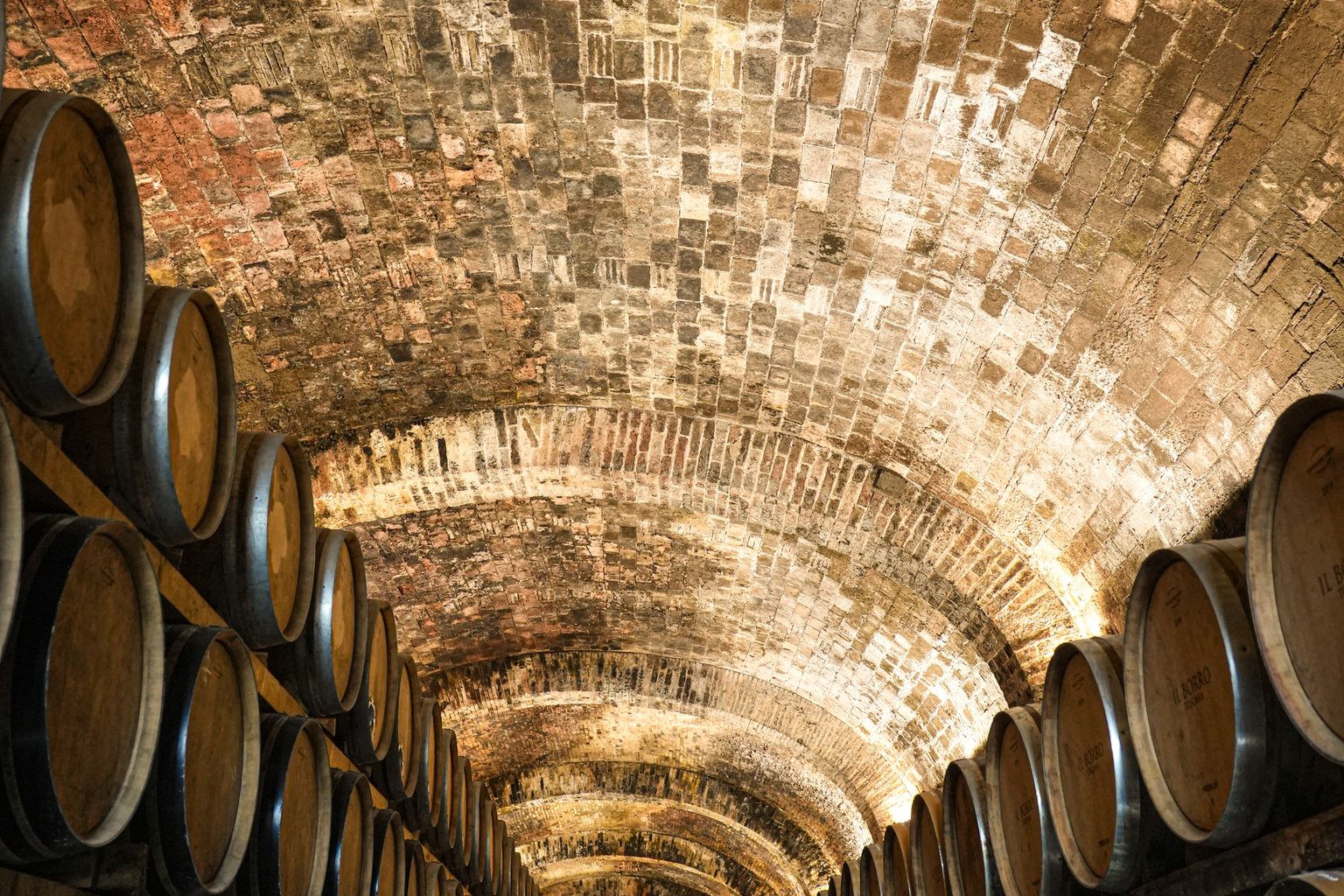
Il Borro's wine portfolio extends the property's operational philosophy. Rather than pursuing expansion through volume, the estate deepens identity through strategic focus. Wines like Petruna, the estate's amphora-aged Sangiovese, reflect a growing interest in ancient winemaking techniques paired with modern precision. The use of amphora aging connects the wine to historic Tuscan traditions while delivering a contemporary expression increasingly appreciated by sommeliers and collectors seeking originality.
At the same time, the estate's expansion into Brunello di Montalcino through the historic Pinino property signals a long-term investment in one of Italy's most globally respected appellations. "The logic is always the same," Salvatore Ferragamo says. "Each project has to bring something unique. Not just more wines, but a clearer, stronger identity built over time."
For properties with wine programs, this approach suggests that wine should reinforce the property's larger identity and guest experience rather than exist as a separate revenue stream. When wine selections connect directly to the dining program, local sourcing philosophy, or seasonal programming, they become part of the larger narrative guests experience—and thus more memorable and differentiated.
A Model for Integrated On-Premise Operations
The Ferruccio Ferragamo family's stewardship of Il Borro—recognized this spring with Ferruccio Ferragamo's receipt of a Laurea ad Honorem from the University of Florence in recognition of his extraordinary contributions to the preservation of Tuscan heritage, ethical tourism, sustainable agriculture, and cultural stewardship—reflects decades of commitment to building an integrated ecosystem rather than isolated amenities.
For on-premise leaders seeking to differentiate their properties and build guest loyalty, Il Borro's model offers concrete lessons: integrate your operations so that vineyard informs kitchen, kitchen informs guest experience, and guest experience reinforces authenticity. Measure your sustainability initiatives rather than marketing them. Create programming that allows guests to experience the source of their meal directly. Build a coherent identity and defend it against trend-chasing. The result is a property where every element reinforces the others—operationally efficient, guest-focused, and distinctly memorable.