Hotel and hospitality operators face constant pressure to deliver memorable guest experiences while managing operational complexity. Tart cherries address both challenges: they are a single, reliable ingredient that spans breakfast through late-night service, simplifies purchasing and inventory, and gives guests the bold, modern flavors they crave. Nearly all tart cherries grown in the U.S. are Montmorency—a variety that delivers consistent flavor, color, and performance across your entire operation.
Operational Simplicity Across All Dayparts
One of the biggest operational advantages of tart cherries is their ability to work across your entire menu, daypart by daypart. In the morning, they lift bowls, yogurt parfaits, hot cereals, baked goods, and grab-and-go snacks. At lunch and dinner, they find a home in glazes, pan sauces, relishes, chutneys, and braises. By dessert, they add tension and contrast to cheesecakes, custards, chocolate items, and frozen desserts. Behind the bar, they anchor spritzes, sours, and spirit-free cocktails with structure and visual appeal.
That unified ingredient story means your procurement team can manage one product across multiple departments—culinary, pastry, and beverage—reducing SKU counts and simplifying inventory management while culinary and beverage teams can express the same ingredient in multiple ways on the menu.
Formats Built for Real Kitchen Demands
Tart cherries arrive in formats designed for high-volume, high-pressure service. You won't typically find them fresh—tart cherries are best captured at peak ripeness and quickly preserved to lock in flavor, color, and functional benefits. This means consistent quality and year-round availability.
- Dried tart cherries add chew and concentrated flavor to salads, trail mixes, cookies, bars, and grain bowls.
- Frozen fruit delivers consistent quality for sauces, desserts, and blended drinks, long after fresh options have disappeared from the market.
- Juices and concentrates fold smoothly into dressings, reductions, marinades, batters, and beverage builds.
- Canned tart cherries offer ready-to-use fruit that performs reliably in high-volume and high-pressure service windows.
This range of formats lets you maximize menu flexibility without overcomplicating your supply chain. Your team can rely on the same flavor and visual profile whether you're in peak season or the middle of winter.
Bold Flavor That Guests Remember
Today's guests expect more than comfort—they want bolder, more layered flavors: sour, salty, spicy, fermented, and umami-rich experiences. Tart cherries deliver exactly that. Their natural sweet-tart profile sharpens rich foods, keeps sugary items in check, and adds a clean, fruit-forward note that feels modern.
On menus that lean into gochujang, chili crisp, global spice blends, and smoked elements, tart cherries work as a connector, rounding off heat and adding contrast to familiar comfort dishes. Whether you are riffing on a classic or developing something new, their flavor gives your signature items a clear, recognizable note that guests notice and remember.
Visual Impact That Drives Menu Appeal
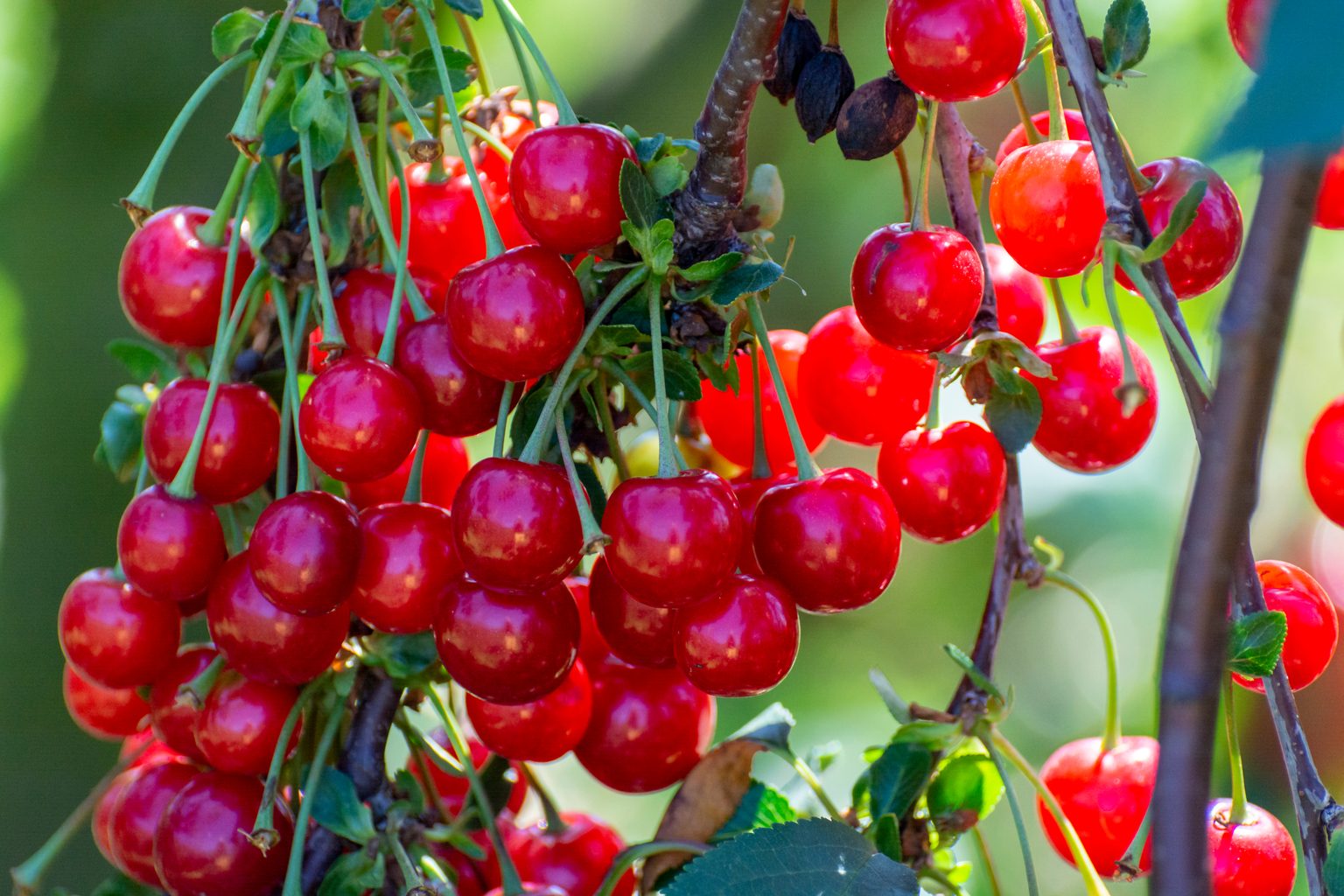
In today's digital-first environment, plate presentation directly influences guest choice and social sharing. Tart cherries bring a powerful visual advantage: their deep red color stands out against charred meat, roasted vegetables, pale grains, creamy cheeses, and neutral-toned desserts. A handful of tart cherries can brighten a dish and signal that something thoughtful is happening on the plate.
That visual contrast is not cosmetic—it drives trial and shareability when guests see a dish on social media before experiencing it in person.
Functional Positioning Guests Value
Guests increasingly seek better-for-you choices that taste good and align with their wellness interests. Montmorency tart cherries deliver on both fronts. They are known for their deep red color, which comes from natural compounds called anthocyanins—also linked to antioxidant activity. A grain bowl with roasted vegetables and tart cherry relish, a salmon entrée with a tart cherry glaze, or a signature mocktail built on tart cherry juice and herbs signals that your property cares about both flavor and guest well-being.
Local Sourcing That Strengthens Your Story
Origin stories influence guest decisions. Tart cherries can proudly point to their roots: growers across the U.S., in Michigan, Utah, Washington, Wisconsin, New York, Pennsylvania, and Oregon, have been tending tart cherry orchards for generations. Calling that out on menus gives guests a direct connection to growing regions and real farms.
Listing "U.S.-grown Montmorency tart cherries" instantly adds specificity and authenticity to any dish, turning a commodity ingredient into a featured element that reinforces your commitment to traceable, local sourcing.
Differentiation Without Complexity
Most guests already know and like tart cherries from pies, juices, and preserves—there is comfort in that familiarity. Yet tart cherries remain underrepresented in savory, global, and functional applications, giving your property room to stand out. They can be the twist in a sticky wing sauce, the bright note in a lamb or pork glaze, the surprise element in a grain bowl, or the anchor of a modern chocolate dessert. They deliver approachability and differentiation in the same bite, without asking your team to master an unfamiliar ingredient.
Strengthen Your On-Premise Program
Tart cherries align with the core demands of hospitality: consistent quality, operational efficiency, bold guest experiences, and authentic sourcing. For properties looking to strengthen their culinary identity, build guest loyalty, and simplify procurement without sacrificing menu impact, tart cherries belong in your pantry.
To explore U.S.-grown tart cherry products, formats, and menu ideas, connect with the Cherry Industry Administrative Board. Visit choosecherries.com to access sourcing resources, culinary inspiration, and tools to bring tart cherries to life across your hospitality menus.