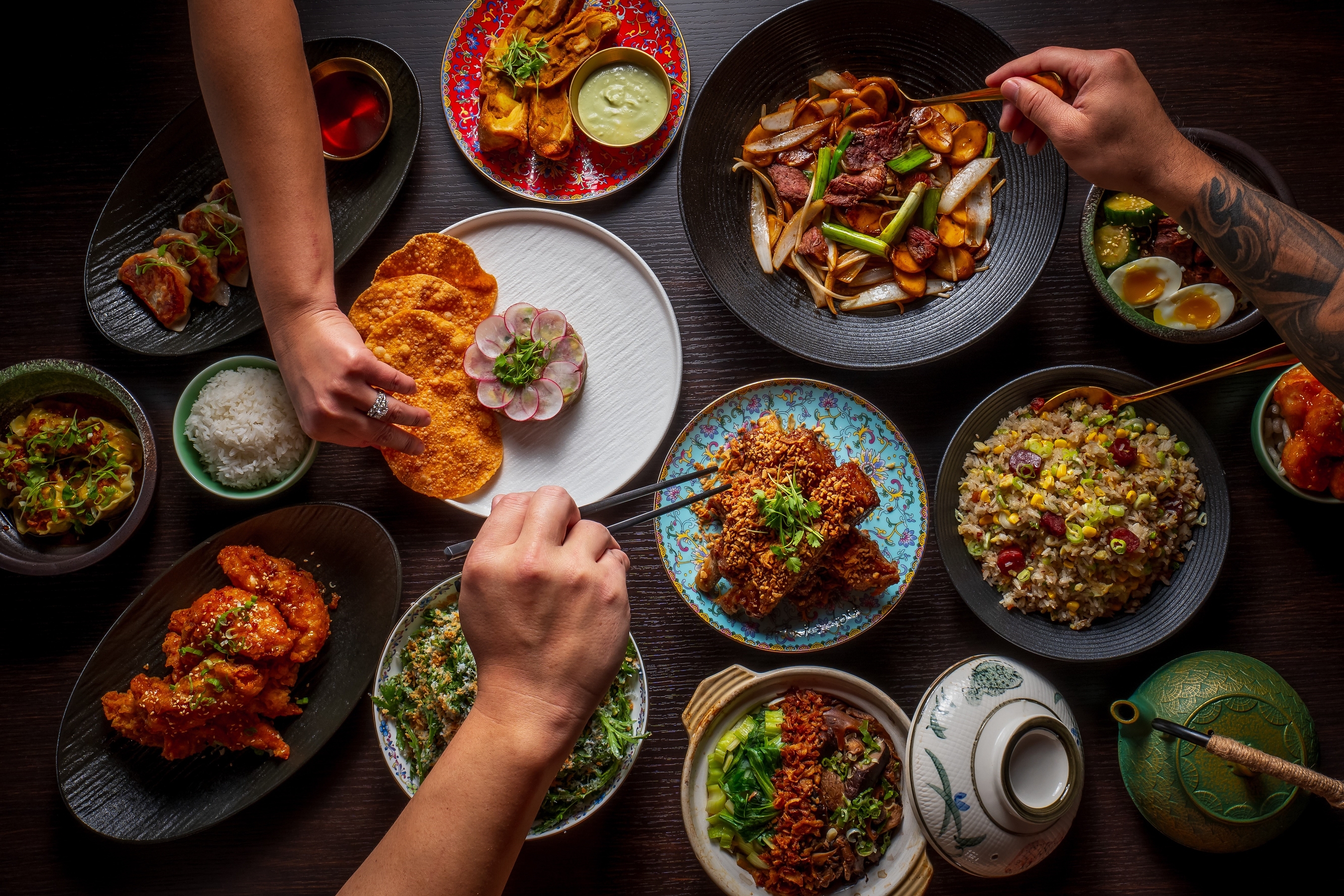
Visit Orlando's Magical Dining program hits its largest footprint yet when it opens August 14, running through September 30 with 188 restaurants — 38 of them new entrants — offering three-course, prix-fixe menus priced at $40 or $60. The 21st-year edition also marks the first time a Michelin-starred restaurant, ÔMO by Jônt, has joined the roster, alongside 15 other MICHELIN Guide-recognized establishments.
For destination marketing organizations and multi-unit operators, programs like Magical Dining function as a managed demand-generation channel: a centralized digital platform at OrlandoMagicalDining.com aggregates menus, drives cover counts during a traditionally shoulder period, and creates a trackable attribution layer between tourism marketing spend and on-property revenue. That kind of structured digital ordering and reservations infrastructure is increasingly how DMOs and large hotel groups compete for share of wallet against OTA-driven discovery.
Program Mechanics
New participants this year include two restaurant options at Universal's Helios Grand Hotel, a rooftop venue with fireworks views, a jazz club with live entertainment, and a private pickleball club opening its dining room exclusively for the program — a format that mirrors pop-up and exclusive-access tactics increasingly common in loyalty and experiential dining programming. The $40 and $60 price points with built-in charity donations ($1 and $2 per meal, respectively) also create a simple revenue-share model operators can communicate directly to guests.
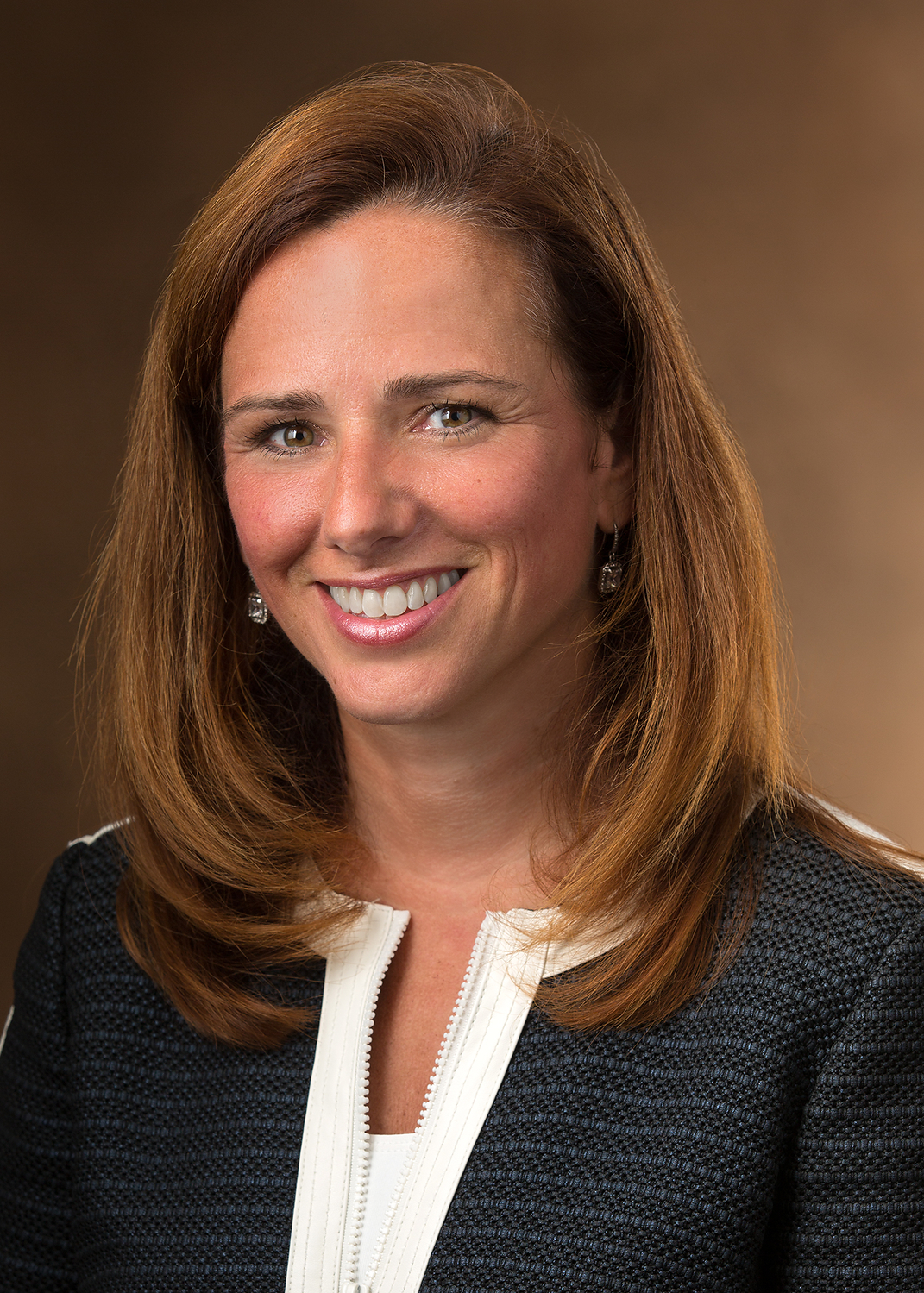
"This is shaping up to be the biggest year in the history of Visit Orlando's Magical Dining," said Casandra Matej, president and CEO of Visit Orlando. "Few programs create this kind of positive impact for restaurants, diners and our community all at the same time."
Hotel Packages and Charity Impact
The companion Magical Nights program runs concurrently, with participating properties including Evermore Orlando Resort, Grande Lakes Orlando, Hilton Orlando, Lake Nona Wave, and Signia by Hilton Orlando Bonnet Creek offering special rates or packages. Bundling accommodations with prix-fixe dining access is a direct-booking play that reduces OTA dependency — a priority for revenue managers at full-service hotels trying to improve direct-channel mix and protect net ADR.
Since the charity component launched in 2009, the program has raised nearly $3.3 million for local nonprofits. The 2026 primary beneficiary is OCA (Opportunity, Community, Ability), which supports individuals with autism and developmental differences. Orlando Health returns as presenting sponsor for the third consecutive year. The organization also distributes $3,000 donations to nonprofits in each of Orange County's six commission districts, creating a hyper-local stakeholder alignment that reinforces operator participation.
At scale, Magical Dining illustrates how destination-level technology infrastructure — a unified booking and discovery platform, standardized pricing tiers, and a charitable attribution mechanism — can move the needle on restaurant throughput and hotel occupancy simultaneously during a period when leisure travel demand can soften. For operators evaluating how DMO partnerships translate into measurable cover counts and average check data, Orlando's model is among the most mature in North American tourism.
Written by Michael Politz, Author of Guide to Restaurant Success: The Proven Process for Starting Any Restaurant Business From Scratch to Success (ISBN: 978-1-119-66896-1), Founder of Food & Beverage Magazine, the leading online magazine and resource in the industry. Designer of the Bluetooth logo and recognized in Entrepreneur Magazine's "Top 40 Under 40" for founding American Wholesale Floral, Politz is also the Co-founder of the Proof Awards and the CPG Awards and a partner in numerous consumer brands across the food and beverage sector.