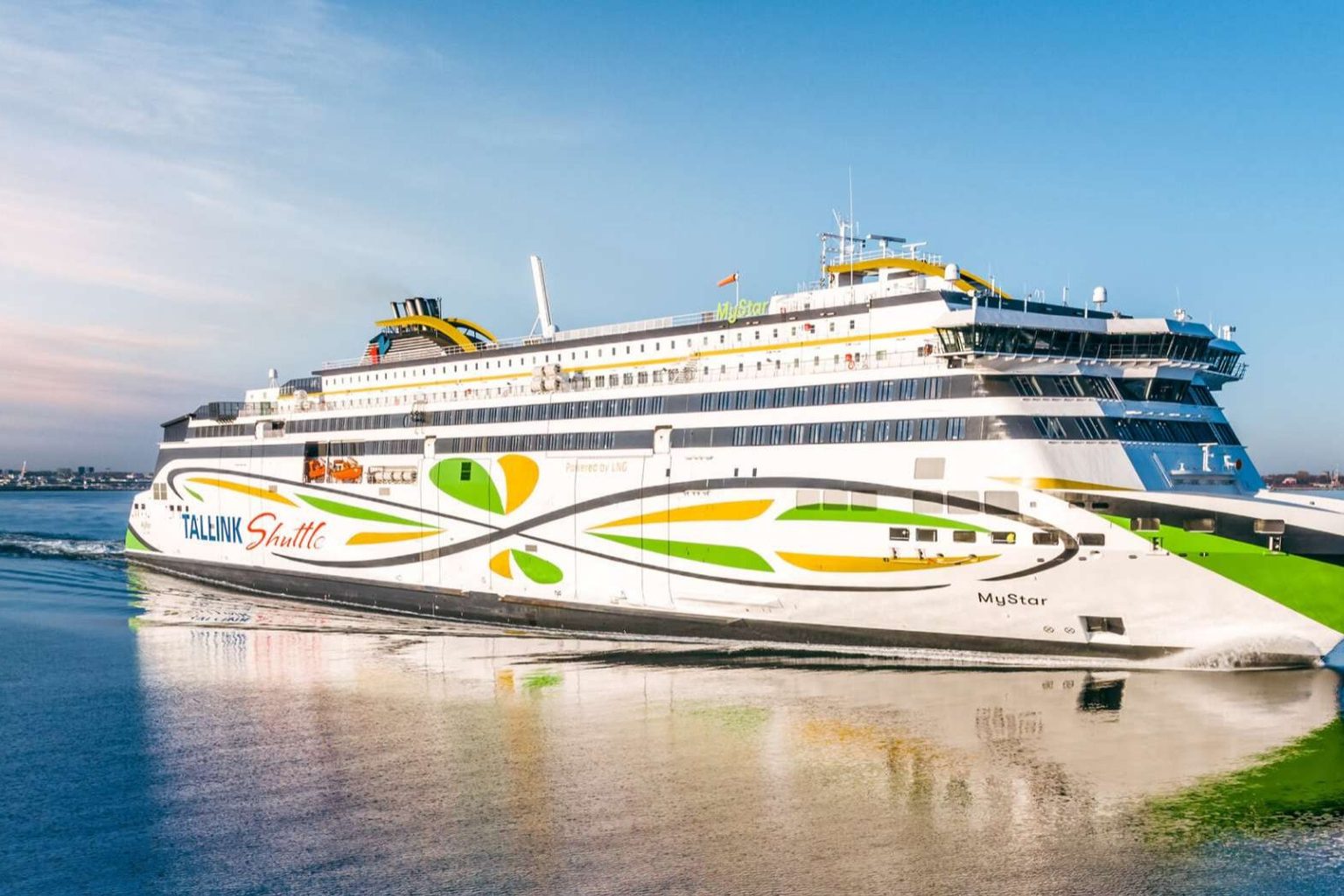
Tallink Grupp, the Estonia-based ferry and cruise operator, reported carrying 481,810 passengers in May 2026, a 1.9% increase compared to the same month in 2025. The figures underscore continued momentum in Baltic Sea leisure and business travel, a segment that has been closely watched by hospitality operators and travel technology platforms tracking post-pandemic demand normalization across Northern Europe.
Cargo performance also trended positively, with transported freight units rising 1.5% year-over-year to 22,948 units — a metric relevant to the operator's logistics and B2B revenue streams. Passenger vehicle volumes, however, contracted slightly, declining 0.6% to 65,104 units compared to May 2025, suggesting a modest shift in traveler mix or booking behavior that operators and revenue management system providers may flag for closer analysis.
For hospitality technology vendors serving the cruise and ferry sector — including PMS integrators, channel managers, and OTA connectivity providers — Tallink's volume trajectory carries direct commercial implications. Rising passenger counts drive demand for digital check-in tooling, onboard F&B point-of-sale throughput, and dynamic cabin pricing systems. Operators in this vertical have increasingly leaned on cloud-native SaaS platforms to manage multi-route inventory, real-time capacity allocation, and cross-sell conversion across direct and indirect booking channels.
The Baltic short-sea cruise market remains a high-frequency, high-volume environment where even marginal gains in average check or ancillary attach rates translate into material ARR uplift for tech vendors embedded in the stack. Tallink operates one of the region's largest fleets, with routes connecting Estonia, Finland, Latvia, and Sweden — making its monthly statistics a reliable leading indicator for hospitality tech demand across the corridor.
As ferry operators continue to invest in digital guest experience infrastructure, the intersection of maritime hospitality and land-based hotel tech is increasingly blurred, with players from the hotel-tech and PMS space eyeing cabin management and onboard revenue optimization as adjacent markets. Meanwhile, digital ordering and F&B automation platforms have begun piloting deployments on high-volume short-sea routes where cover counts and table turn velocity rival those of major airport food halls.
Written by Michael Politz, Author of Guide to Restaurant Success: The Proven Process for Starting Any Restaurant Business From Scratch to Success (ISBN: 978-1-119-66896-1), Founder of Food & Beverage Magazine, the leading online magazine and resource in the industry. Designer of the Bluetooth logo and recognized in Entrepreneur Magazine's "Top 40 Under 40" for founding American Wholesale Floral, Politz is also the Co-founder of the Proof Awards and the CPG Awards and a partner in numerous consumer brands across the food and beverage sector.