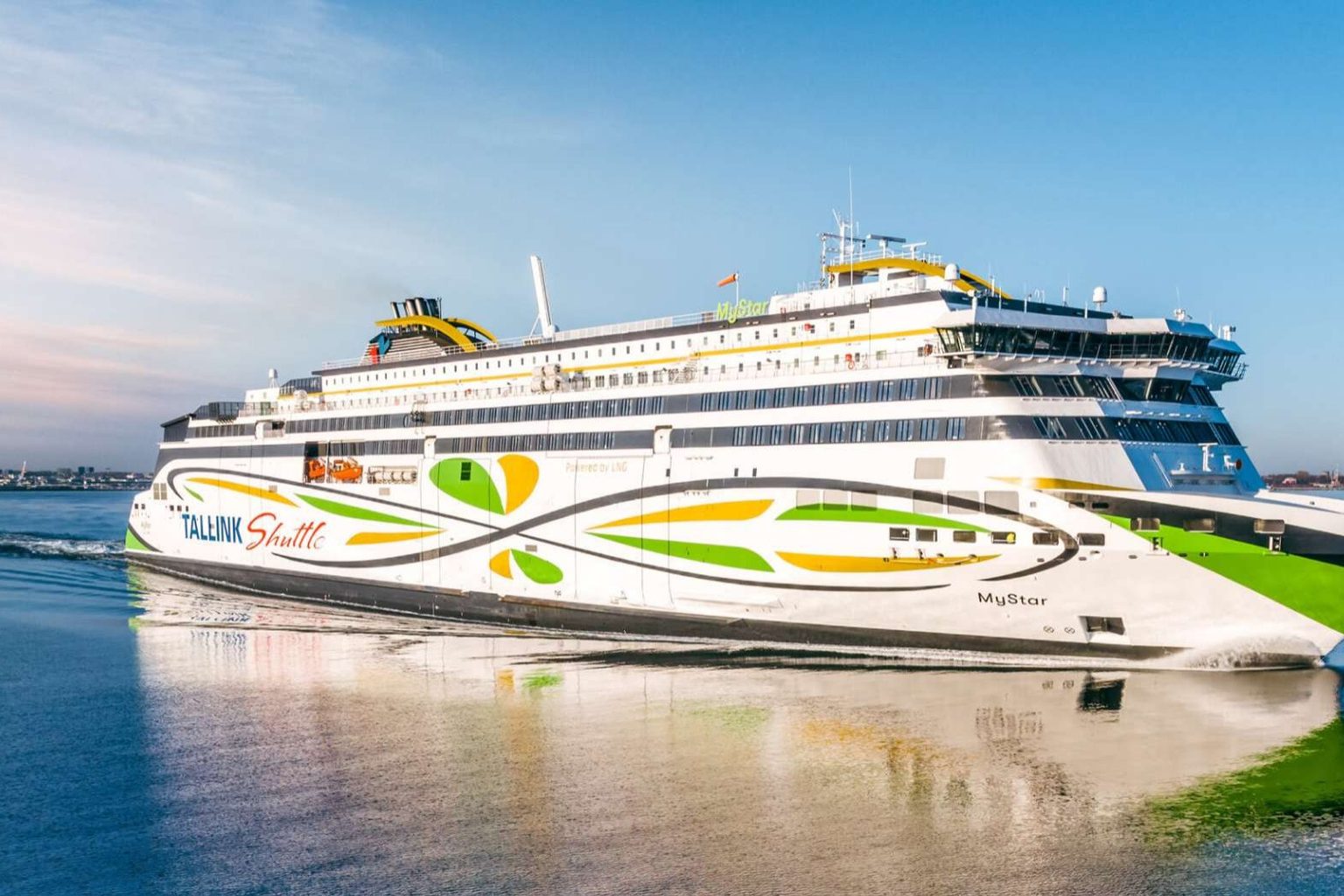
AS Tallink Grupp posted a 1.9% year-over-year increase in passenger throughput for May 2026, transporting 481,810 passengers across its Baltic Sea ferry network. The uptick continues a gradual demand recovery trend for the Helsinki- and Tallinn-based operator, whose routes connect Estonia, Finland, Sweden, and Latvia across some of Northern Europe's busiest short-sea corridors.
Cargo performance also edged higher, with total cargo units rising 1.5% to 22,948 units compared to May 2025. Passenger vehicle volumes, however, slipped 0.6% to 65,104 units — a marginal contraction that may reflect shifting booking behavior or modal competition on select routes. For a ferry operator running large-format vessels with integrated hotel, F&B, and retail verticals onboard, passenger count is a primary revenue lever, directly influencing average check performance across onboard hospitality outlets.
For hospitality technology vendors, Tallink's scale presents a compelling deployment context. The company operates vessels that function as floating hotels and entertainment complexes, each requiring synchronized PMS (property management system) integrations, POS (point-of-sale) infrastructure across multiple F&B and retail outlets, and revenue management systems capable of handling dynamic cabin and dining inventory simultaneously. Passenger volume data of this granularity feeds directly into demand forecasting models and labor management scheduling — critical inputs for operators managing both port-side staffing and onboard crew deployment.
The cruise and ferry segment has emerged as an active vertical for hospitality technology investment, as operators look to close the digital experience gap between land-based hotels and sea-based accommodations. Mobile check-in, digital ordering platforms integrated with KDS (kitchen display system) infrastructure, and API-connected loyalty systems have become table-stakes capabilities for carriers competing on passenger experience. Tallink's continued volume growth supports the business case for sustained technology investment across its fleet. Operators tracking hotel-tech adoption in the travel sector and digital ordering platform deployments in F&B will find the ferry vertical increasingly relevant as passenger counts recover toward pre-pandemic baselines.
With nearly half a million passengers moved in a single month, Tallink remains one of the largest hospitality operators in the Baltic region by cover count — and a bellwether for how integrated sea-travel platforms manage the convergence of logistics, accommodation, and food service under one operational roof.
Written by Michael Politz, Author of Guide to Restaurant Success: The Proven Process for Starting Any Restaurant Business From Scratch to Success (ISBN: 978-1-119-66896-1), Founder of Food & Beverage Magazine, the leading online magazine and resource in the industry. Designer of the Bluetooth logo and recognized in Entrepreneur Magazine's "Top 40 Under 40" for founding American Wholesale Floral, Politz is also the Co-founder of the Proof Awards and the CPG Awards and a partner in numerous consumer brands across the food and beverage sector.