Pipeline Scale
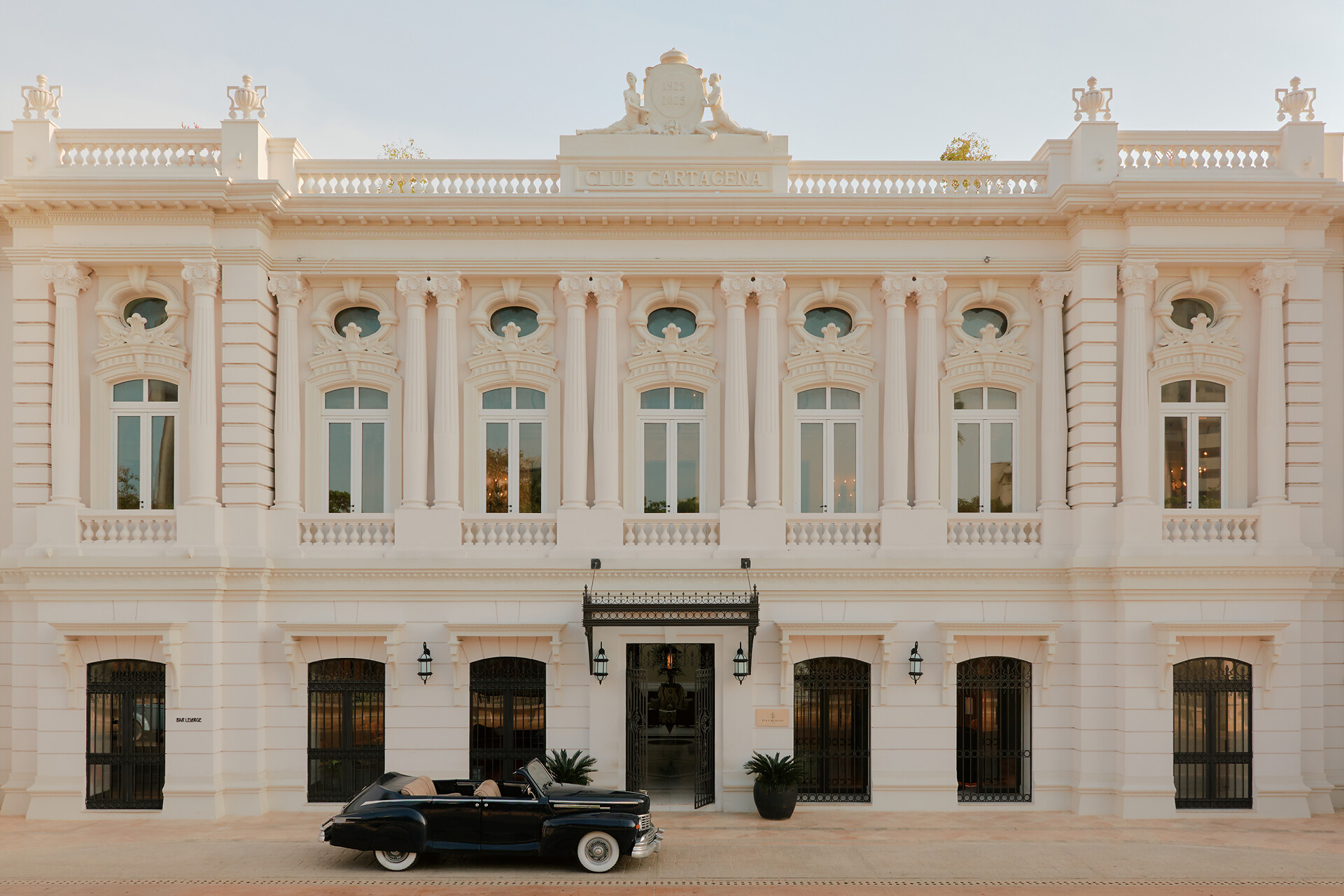
Four Seasons Hotels and Resorts is entering 2027 with its broadest forward development slate in recent memory — more than 15 properties in various stages of opening or renovation, layered on top of five major additions already delivered in 2026. The chain, which currently operates 140 hotels and resorts across 47 countries, is simultaneously scaling its non-room revenue channels, including a superyacht fleet and a private-jet journey program, signaling a deliberate push to capture guest spend well beyond the traditional room-and-F&B model.
For hospitality operators and technology vendors alike, the scale of this buildout is a procurement and integration signal. Each new property represents a greenfield PMS deployment, a fresh point-of-sale stack across multiple F&B outlets, a new loyalty and CRM touchpoint, and channel-manager configuration for OTA distribution — all at Four Seasons' exacting service standards. The 2027 class alone includes properties in Belize, Okinawa, Berlin, Zanzibar, Jeddah, Beirut, Santa Barbara, Jacksonville, and Luxor, among others.
F&B and Experiential Throughput
The portfolio's food-and-beverage footprint is a meaningful part of the story. Four Seasons already operates more than 600 restaurants and bars globally, and incoming properties are adding density fast. The Dominican Republic resort at Tropicalia, designed by Brazilian architect Isay Weinfeld, will anchor a sustainable-luxury beachfront concept. Four Seasons Hotel Beirut's return brings 230 rooms and suites plus a new Peruvian rooftop restaurant positioned as the highest dining destination in the city. The Park Gstaad, a 1910-vintage Swiss alpine property reimagined by designer Joseph Dirand, will reopen with an elevated culinary program targeting the ultra-high-net-worth leisure segment.
Beyond fixed addresses, Four Seasons Yachts is extending its 2027 Mediterranean and Caribbean sailings to include Egypt and Costa Rica, while select voyages aboard Four Seasons I will feature a Chef-in-Residence program pairing Michelin-starred culinary talent with the shipboard dining operation — a model that tests how luxury F&B programming translates to an at-sea kitchen environment. The Four Seasons Private Jet Experience is fielding four 21-to-24-day itineraries for 2027, each requiring coordinated catering, ground-logistics, and guest-experience technology across multiple countries.
Operator and Tech Implications
For the hospitality technology sector, a build cycle of this magnitude at the luxury tier has downstream effects on the vendor ecosystem. New greenfield openings — particularly the 100-acre Okinawa resort led by architect Kengo Kuma and the 126-acre Caye Chapel island retreat in Belize — require purpose-built infrastructure decisions: cloud-native PMS platforms, cloud-based KDS installations across multi-outlet kitchens, API integrations between reservation systems and the brand's global loyalty infrastructure, and labor-management software scaled for remote or island-based staffing models.
Renovation projects carry their own complexity. Four Seasons Hotel Tokyo at Marunouchi's recently completed refresh, Four Seasons Hotel Mexico City's redesigned F&B concepts (Oma and Fifty Mils), and the new Kai Holo Spa at the Maui resort all represent mid-lifecycle technology refresh opportunities — moments when operators typically reassess their booking, payment, and guest-experience stacks alongside physical renovations. The Westcliff Johannesburg's new Destination Lobby, anchored by an all-day dining and cocktail concept, is a case study in how lobby-as-revenue-center design drives new POS configuration and cover-count optimization requirements.
Residential expansion adds another layer. Four Seasons is simultaneously advancing standalone residence projects in Naples, Puerto Rico, Washington DC, and Las Vegas — 171 high-rise units and six villas in the Henderson, Nevada development alone — each requiring resident-services platforms that bridge hotel-grade amenity management with residential property operations, a technology category seeing rapid vendor investment in 2026.
For vendors tracking enterprise hospitality accounts, the Four Seasons 2027 pipeline represents one of the more concentrated deployment opportunities in the luxury segment. Operators and solution providers monitoring hotel-tech procurement trends and luxury F&B expansion should watch this buildout as a leading indicator of where capital and integration complexity are converging at the top of the market.
Written by Michael Politz, Author of Guide to Restaurant Success: The Proven Process for Starting Any Restaurant Business From Scratch to Success (ISBN: 978-1-119-66896-1), Founder of Food & Beverage Magazine, the leading online magazine and resource in the industry. Designer of the Bluetooth logo and recognized in Entrepreneur Magazine's "Top 40 Under 40" for founding American Wholesale Floral, Politz is also the Co-founder of the Proof Awards and the CPG Awards and a partner in numerous consumer brands across the food and beverage sector.